
← 返回目录 视觉先祖
江户时代,尤以 17–19 世纪为盛。
浮世绘 Ukiyo-e
浮世绘是江户时代的商业木版画文化,以果断轮廓、平面套色与裁切描绘都市游乐,这一点在当下仍可被识别。
真实参考
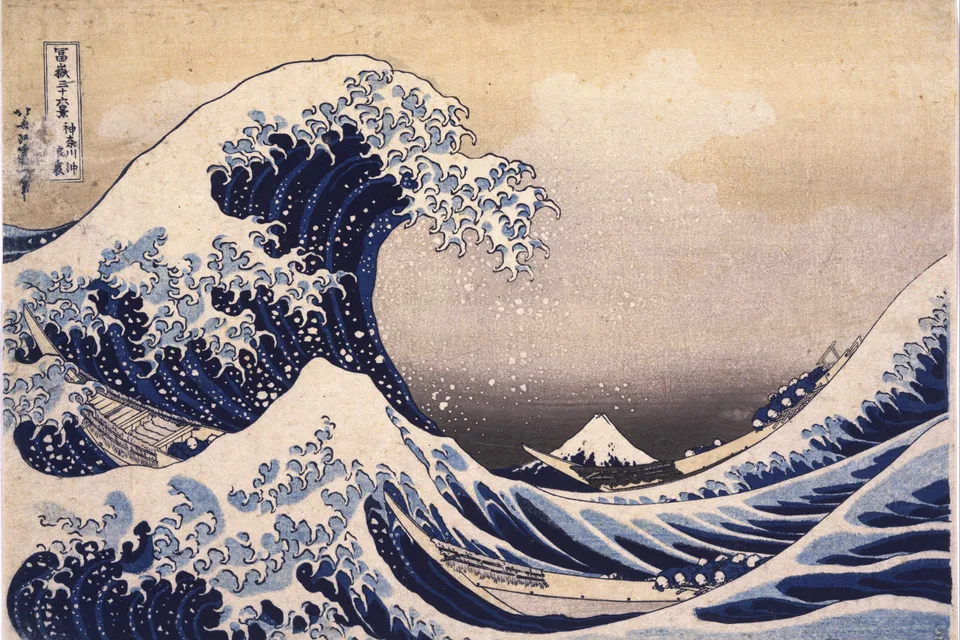
来源与版权:Public domain
统一场景实验
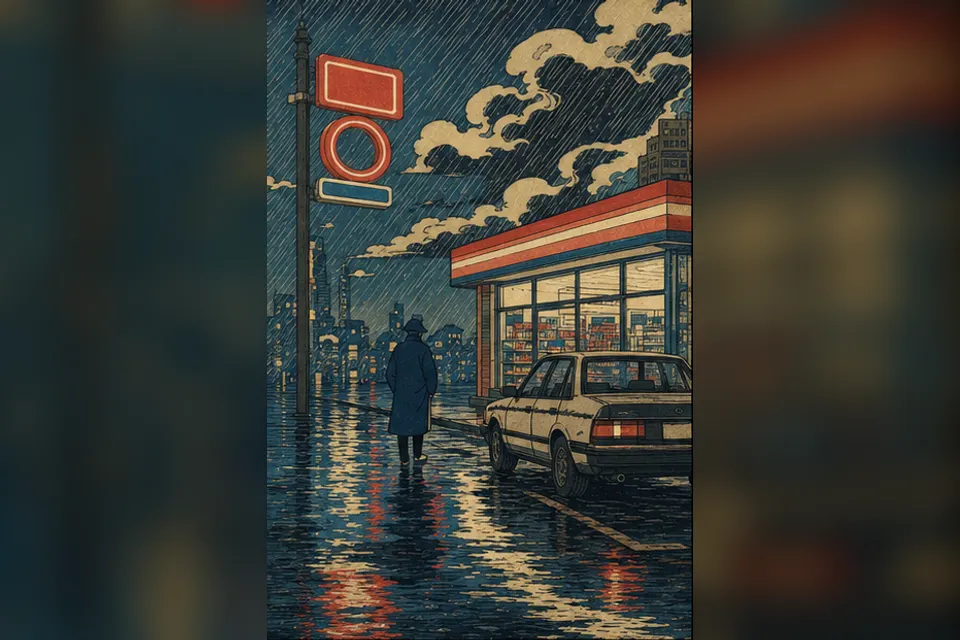
认识这种风格
浮世绘是江户时代日本的商业木版画文化,通过果断的轮廓与层层套色描绘演员、游女、风景、旅行与都市游乐。裁切、图案化的表面、天气与平面的空间间隔,比西方的模型化 Depth 更强地组织画面。它在 17–19 世纪的江户版画市场成形,并在 19 世纪的日本主义中深刻影响欧洲构图。
起源
视觉签名
- bold contour around flat color
- asymmetrical cropping
- pattern and weather used rhythmically
把这种风格用起来
Use the attached image as the source. Preserve its original subject, composition, and aspect ratio as much as possible.

Apply this visual style: Translate the source into a Japanese woodblock print structure with Prussian blue, muted aqua, warm paper, iron red, and black. Use flattened layered diagonals, carved key lines, flat printed color areas, absorbent paper texture, visible woodblock grain, slight registration shifts, rhythmic rain lines, lanterns, rooflines, patterned textiles, waves of cloud, vertical cartouches, crisp shape boundaries, and limited tonal modeling.

Avoid: soft oil-paint blending, photographic depth, or random Japanese symbols without print structure.
更多资料
编辑判断 · 更新于 2026-06-12
调色板
关键词
文化关联
音乐
- Edo-period theater music
- nagauta
- modern visual sampling
媒介
- woodblock print
- illustrated book
- commercial broadside
技术
- multiblock color printing
- carved woodblocks
- handmade paper
事件
- growth of Edo print markets
- nineteenth-century Japonisme
常见失败模式
- 只有波浪母题不成浮世绘;轮廓、平面套色、裁切与版画节奏须主导画面。
关联风格
风格制作拆解
避免:Avoid soft oil-paint blending, photographic depth, or random Japanese symbols without print structure.
01
主体与环境
Travelers passing an Edo-period night shop, translated from the modern convenience-store arrangement.
02
构图与视角
Flatten the rainy street into layered diagonals, crop the car boldly, and use umbrellas, rooflines, and rain as repeating graphic rhythms.
03
调色板与光影
Use Prussian blue, muted aqua, warm paper, iron red, and black as flat printed areas beneath an overcast value structure.
04
媒介与材质
Simulate carved key lines, layered mineral and plant pigments, and absorbent Japanese paper with visible woodblock grain.
05
风格标志物
rain lines, cart wheels, lanterns, patterned robes, waves of cloud, and vertical cartouches
06
后期与效果
Allow slight registration shifts, rhythmic rain lines, and patterned contours while preserving crisp shape boundaries and limited tonal modeling.
制作手记
构图原则
Flatten the rainy street into layered diagonals, crop the car boldly, and use umbrellas, rooflines, and rain as repeating graphic rhythms.
材质
- carved woodblock line
- mineral and plant pigments
- textured Japanese paper
光线
- flat overcast value
- selective pale paper highlights
效果
- visible print grain
- limited color registration
- rhythmic contour